There Is Still a Solution
Step Two, ninety years later: Joe Van Wie reflects on shared recovery, thoughts and emotions, social class, and the ocean-liner metaphor in Alcoholics Anonymous.
Explore the article →
Essays on recovery, culture, and being human. Explore the ideas, questions, and stories behind the work.
Step Two, ninety years later: Joe Van Wie reflects on shared recovery, thoughts and emotions, social class, and the ocean-liner metaphor in Alcoholics Anonymous.
Explore the article →A reflection on intelligence, progress, and whether meaningful change has to begin with suffering. Joe considers another source of motivation: curiosity, connection, and the possibility of a better life.
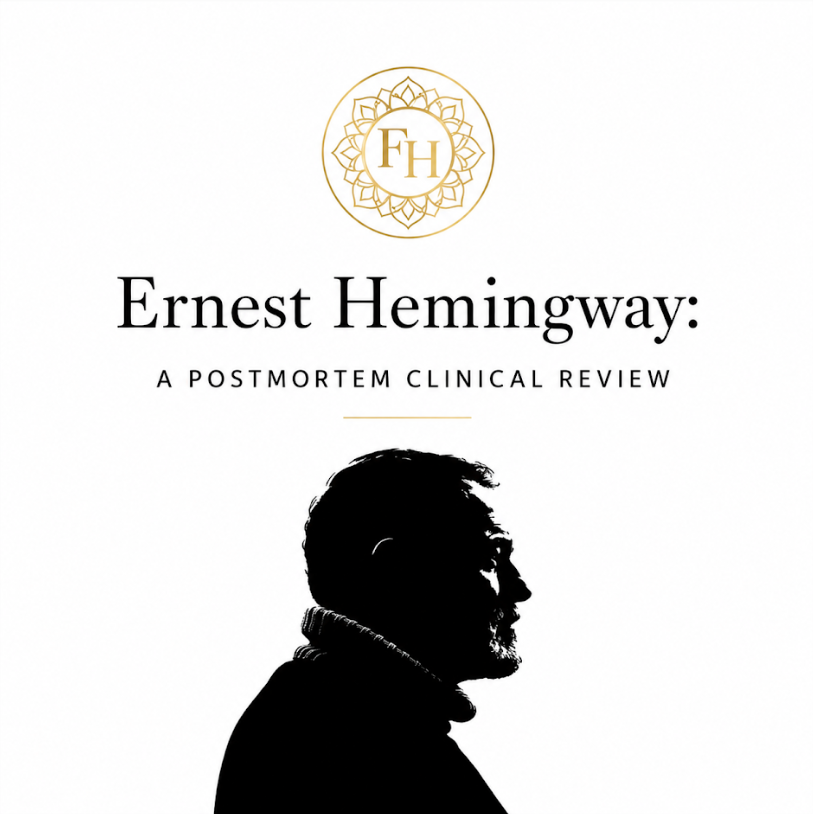
Explore the articleAfter watching the Hemingway documentary, Joe reflects on the experiences behind the literary legend, including family history, trauma, alcohol, and emotional distress. This is an interpretive essay about a historical figure.
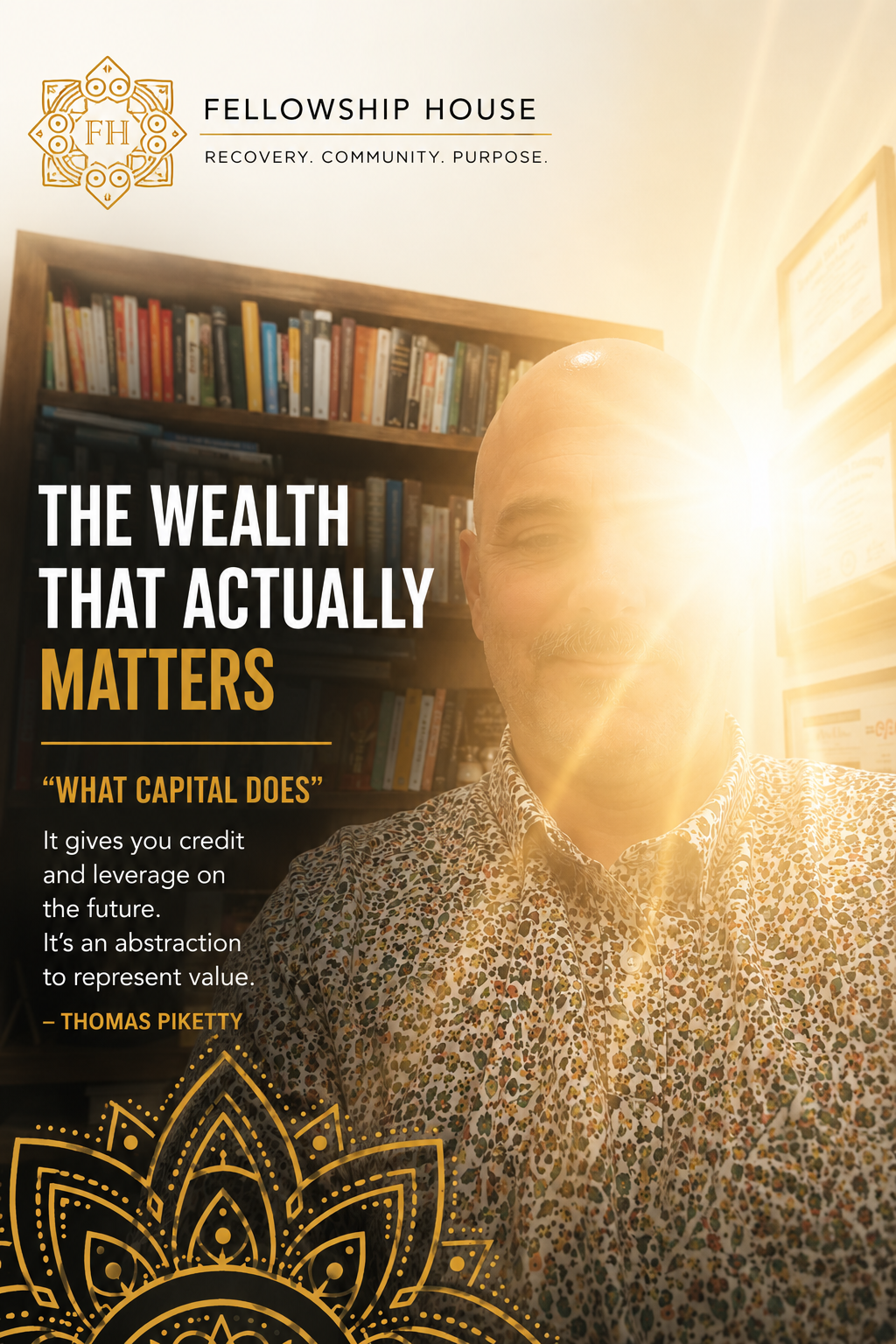
Explore the articleRecovery involves more than willpower. Joe explores the value of relationships, resources, stability, and opportunities that people can draw on as they build a life in recovery.
Explore the articleAn essay connecting questions about perception and shared reality with substance use and modern culture. Joe begins with the complex range of experiences described as psychosis.
Explore the articleWhat happens when attention is constantly interrupted? Joe considers digital environments, the stories people follow, and the place of sustained attention in recovery.
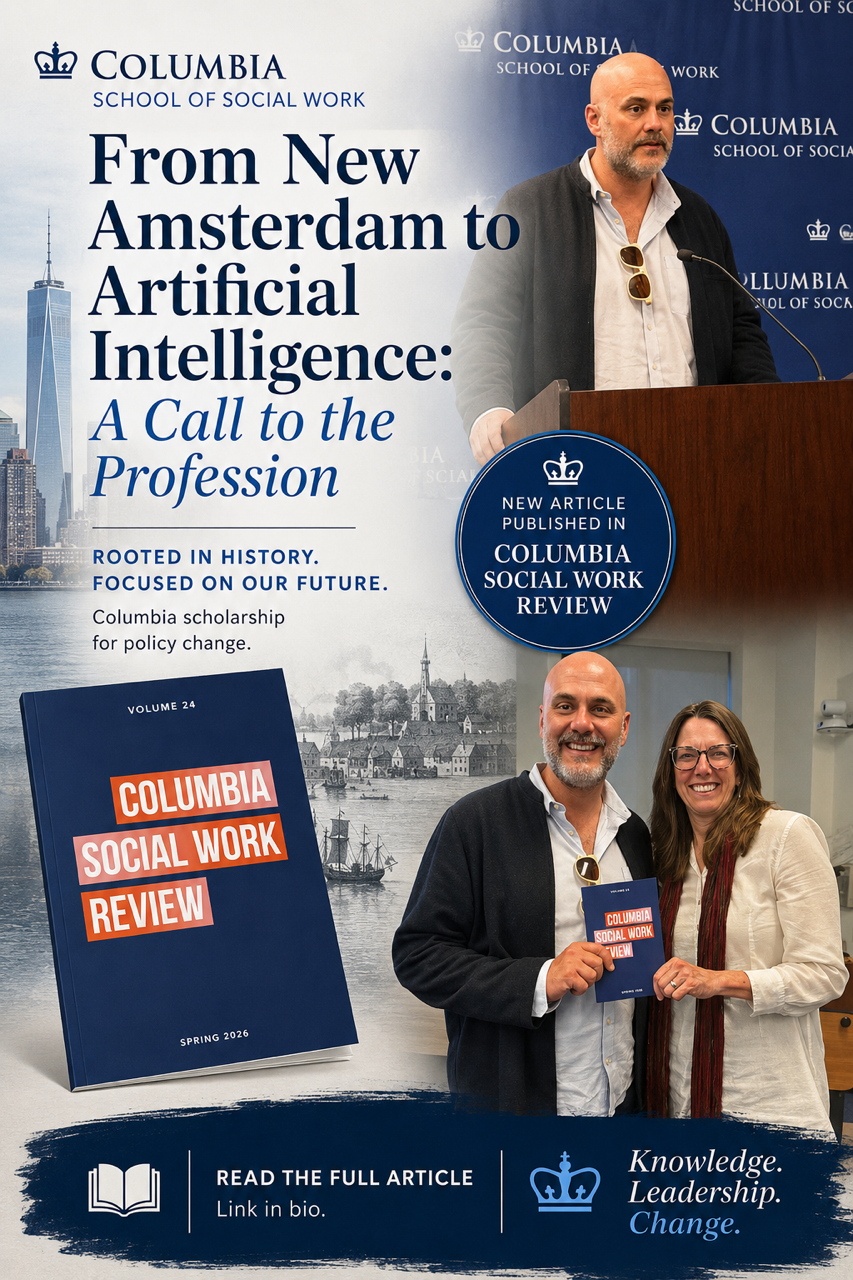
Explore the articleJoe reflects on his interest in artificial intelligence and the relationship between technology, human vulnerability, and social work. The essay introduces his published work and his concerns about responsible deployment.
Explore the articleShared meaning can make a place feel sacred without requiring a particular religion. Joe explores the boundaries, relationships, and agreements that give recovery spaces their significance.
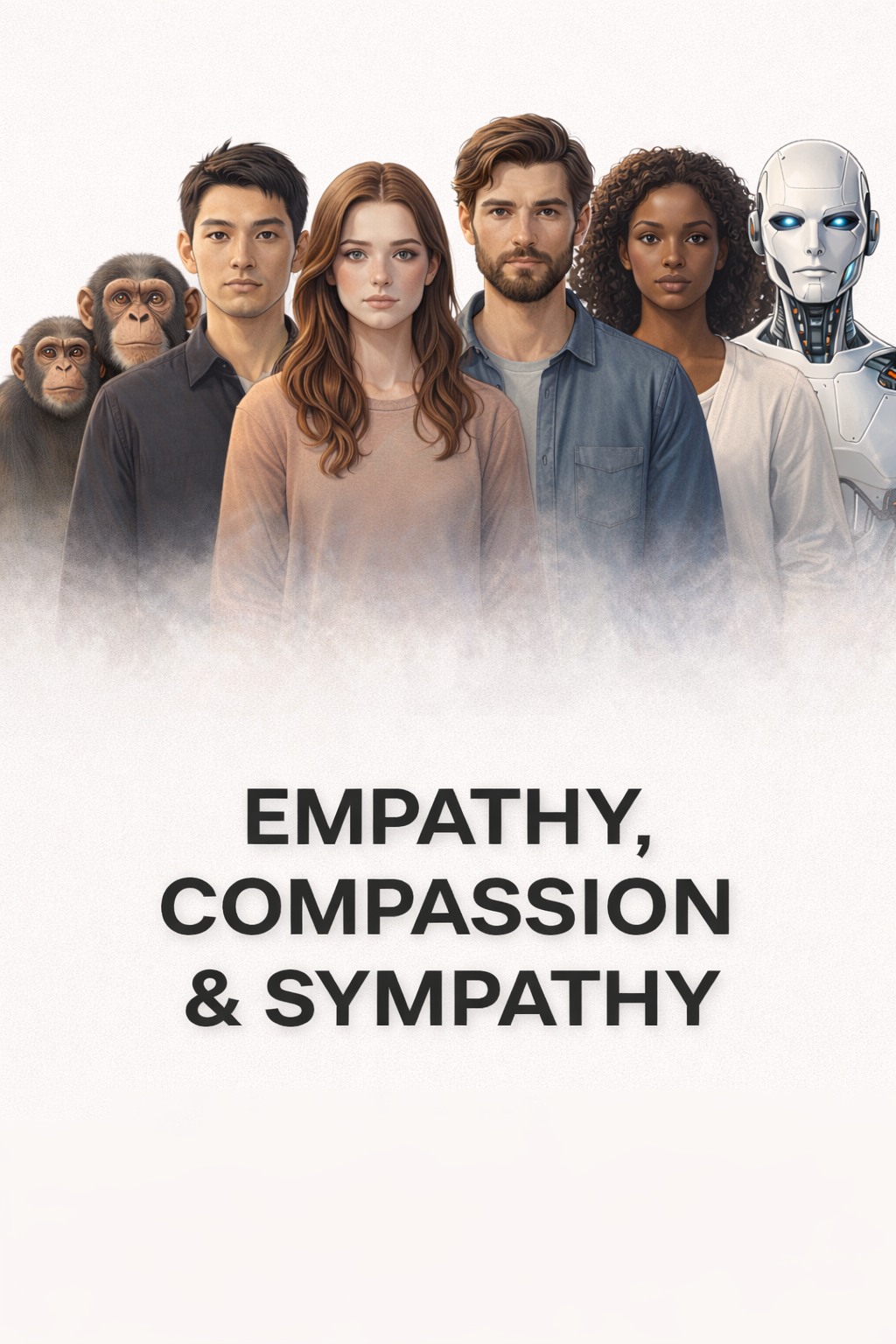
Explore the articleJoe examines the differences between sharing another person’s feelings, recognizing their distress, and responding with care. The discussion connects empathy with emotional regulation and relationships.
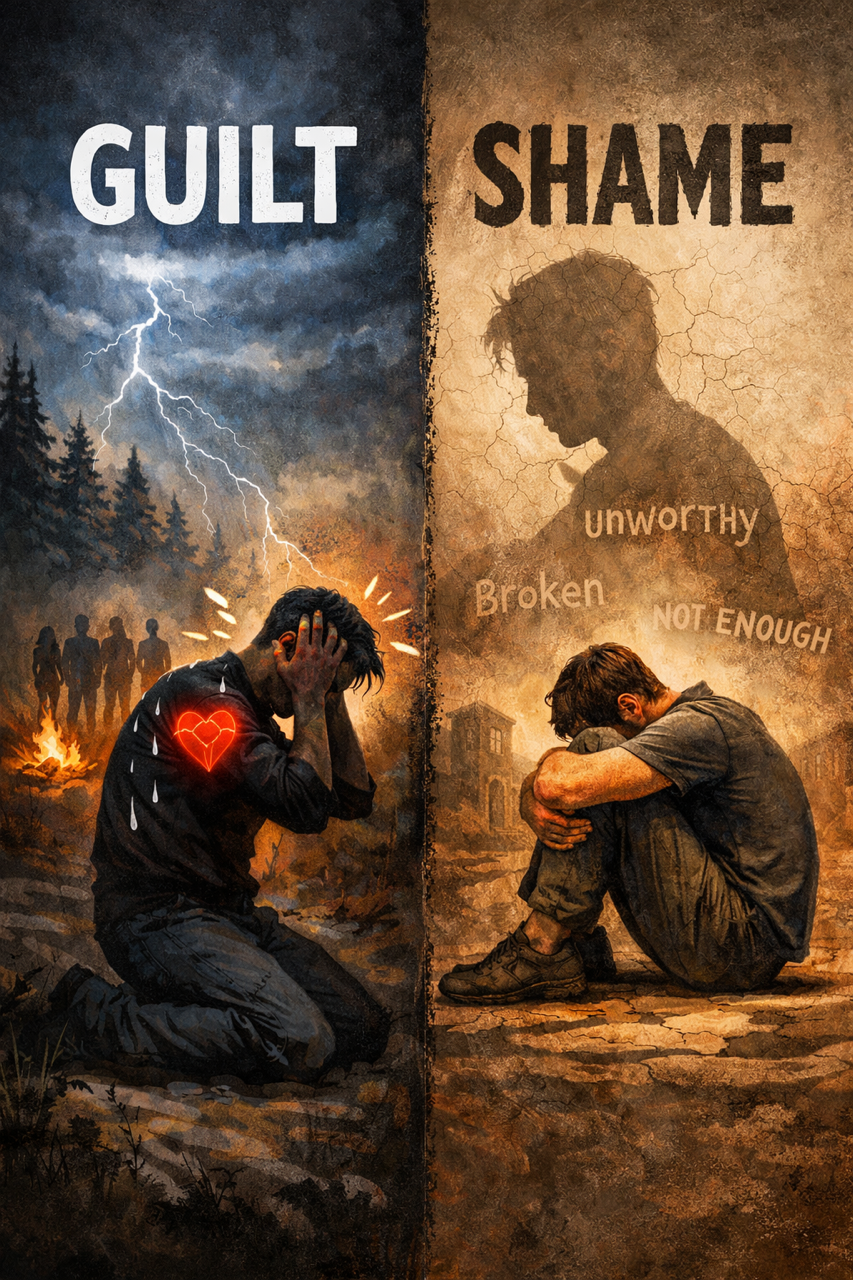
Explore the articleJoe distinguishes concern about an action from a painful judgment about the self. The essay explores what that distinction can mean for accountability, belonging, and recovery.
Explore the articleA personal reflection on the Christmas story from outside Christian belief. Joe revisits the ideas of sacrifice, power, and agency that shaped his upbringing.
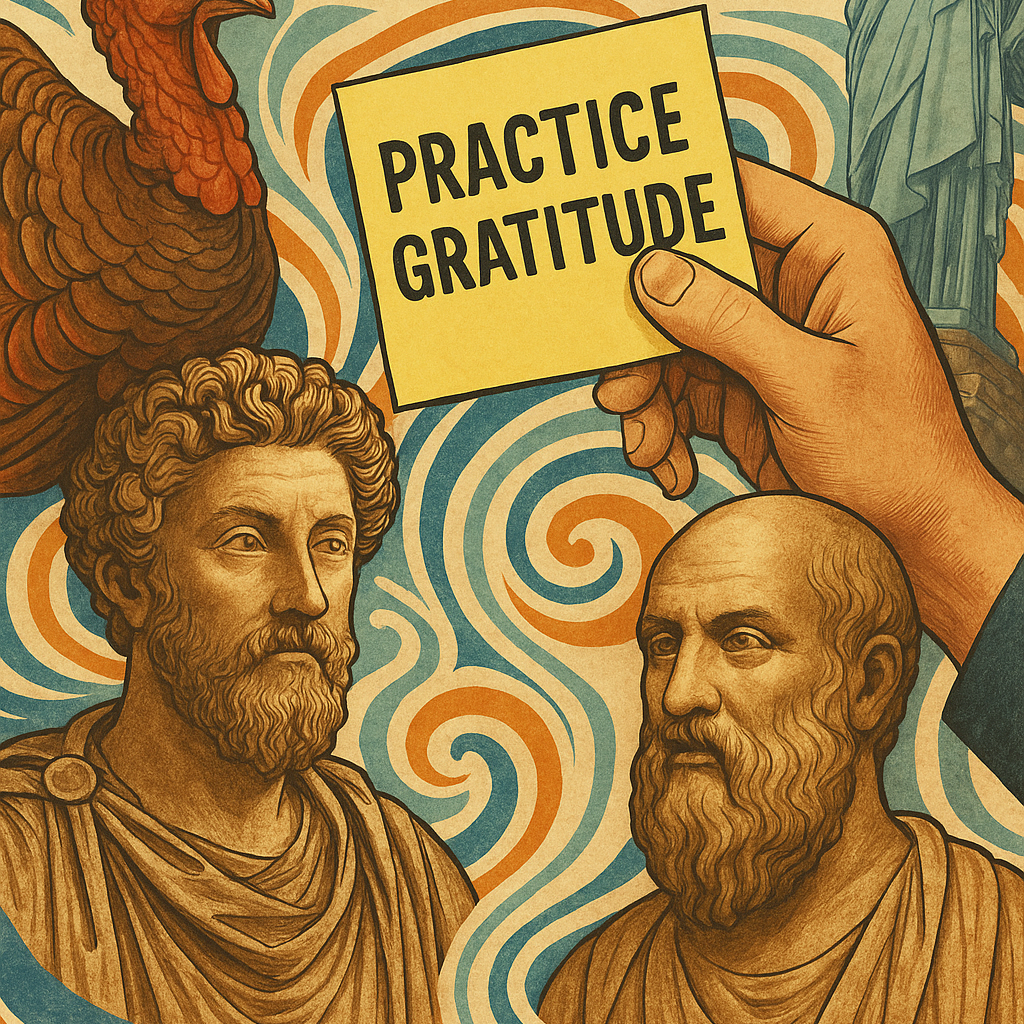
Explore the articleGratitude can feel difficult when it is expected on cue. Drawing on memories of recovery meetings, Joe explores the difference between performing thankfulness and practicing it.
Explore the articleUsing a philosophical starting point, Joe considers why a person’s recovery needs to be understood in the context of their whole life, including relationships and experience.
Explore the articleMemories of a teenage boot camp meet the story of Sisyphus in this personal essay. Joe reflects on punishment, repetition, and the search for meaning in recovery.
Explore the articleJoe describes the ongoing practice of self-examination in Step Ten. The essay explores how noticing thoughts and reactions can become part of daily life.
Explore the articleAn essay about the familiar rituals around early recovery meetings and the connection people found in them. Joe reflects on belonging through the ordinary details of shared experience.
Explore the articleJoe revisits a familiar recovery phrase through reflections on time, attention, and the present moment, with a sense of humor about the difficulty of staying here.
Explore the articleBeginning with the role of consent in treatment, Joe explores trust, personal agency, and the responsibilities that come with technological change.
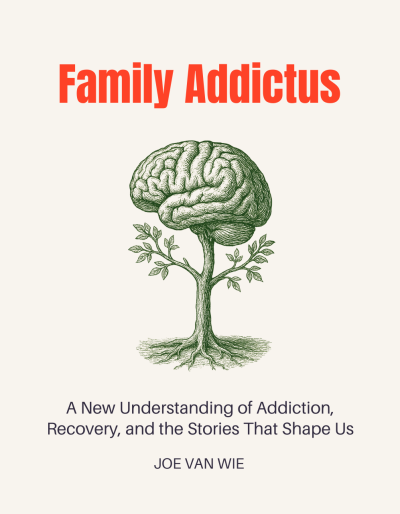
Explore the articleJoe explains the questions and conversations that led him to write Family Addictus, including the ways addiction and recovery affect the people around an individual.
Explore the articleAn exploration of recovery for people who do not identify with religious belief. Joe considers how spiritual language can create barriers and how people find connection and meaning.
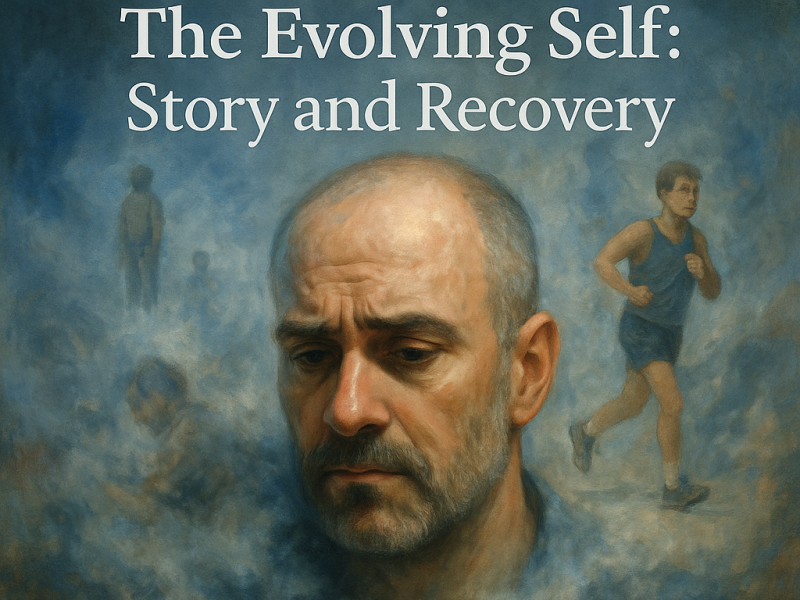
Explore the articleThe stories people tell about themselves can change as recovery continues. Joe explores memory, protective narratives, and the insights that emerge through relationships and reflection.
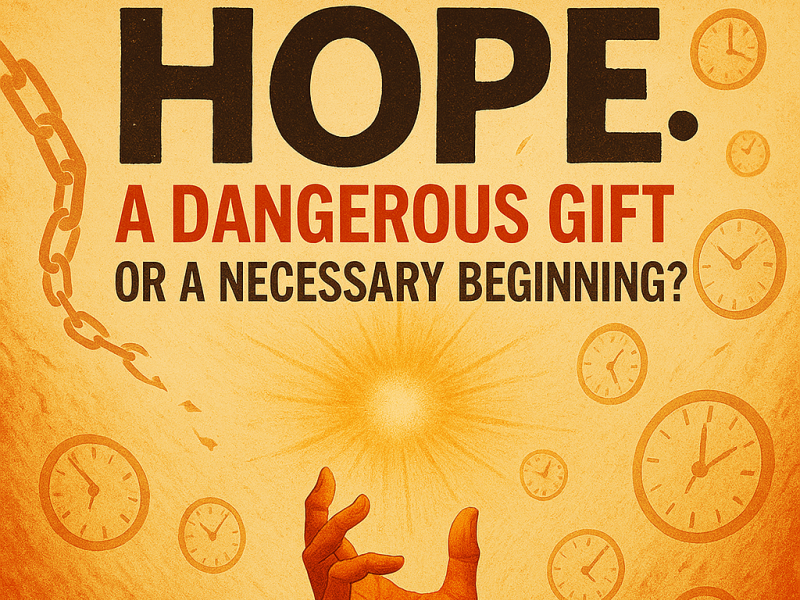
Explore the articleHope can offer direction while also feeling painful or distant. Joe considers that tension and what a future-oriented idea means to someone navigating early recovery.
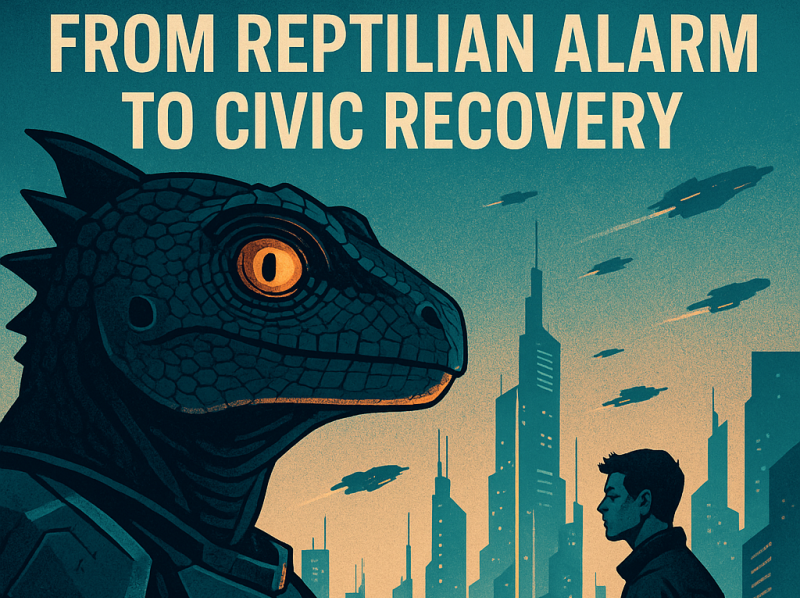
Explore the articleJoe connects modern pressures around status and opportunity with older patterns of threat and survival. The essay explores how social conditions shape a person’s experience of recovery.
Explore the articleAn essay about the relationship between genes, environment, and experience. Joe challenges fatalistic stories about addiction and considers the importance of a person’s surroundings.
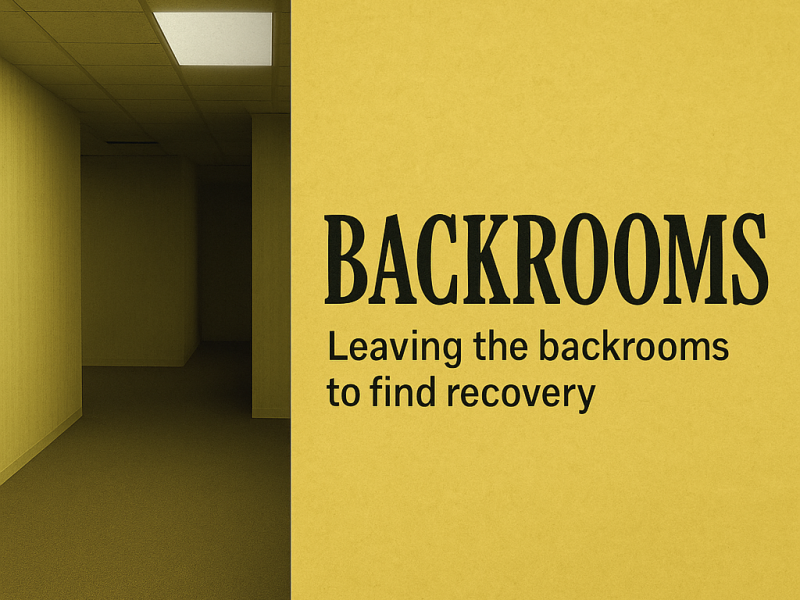
Explore the articleThe internet’s unsettling Backrooms myth becomes a metaphor for isolation and disconnection. Joe connects it with his own memories of addiction and the feeling of being lost.
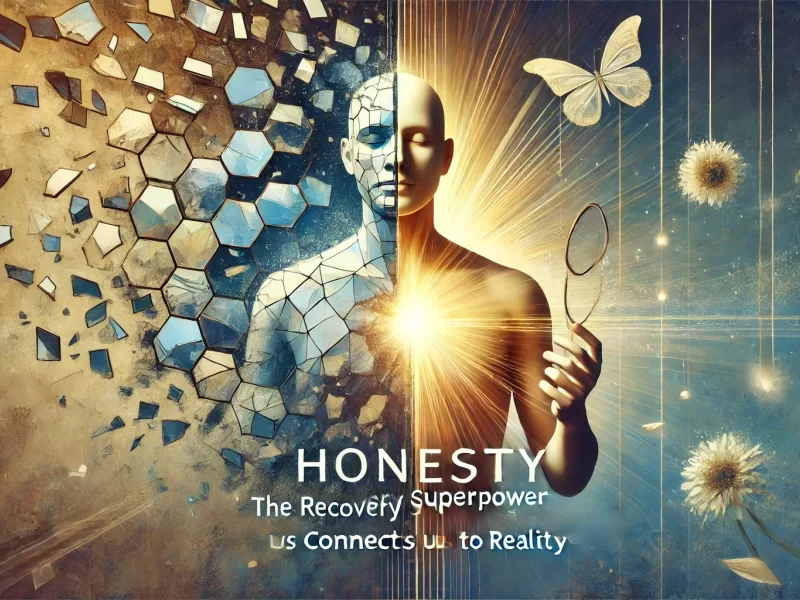
Explore the articleHonesty involves more than stating facts. Joe explores disclosure, shared reality, and the difficult work of letting other people see an internal story that has been hidden.
Explore the articleJoe explores the cultural stories and seasonal traditions associated with Christmas, then reflects on their themes of transformation, meaning, and personal change.
Explore the articleDrawing on collective mourning and a deeply personal family loss, Joe reflects on grief, meaning, and the importance of connection while navigating recovery.
Explore the articleTelevision can let viewers see a family from several perspectives at once. Joe uses The Sopranos to explore emotional complexity, culture, and the stories people tell about themselves.
Explore the articleJoe explores the tension between conscious intention and automatic processes in addiction. The essay brings together philosophical perspectives and questions about agency and decision-making.
Explore the articleA reflection on the life and experiences of Alcoholics Anonymous co-founder Bill Wilson. Joe considers the relationship between personal struggle and the development of a recovery community.
Explore the articleJoe distinguishes imagining a different future from taking actions that make change more likely. The essay focuses on intention, practical steps, and participation in recovery.
Explore the articleNo articles match. Try another word or choose all topics.
Listen to All Better with Joe Van Wie.
Explore the podcast