
A place to belong. Room to rebuild.
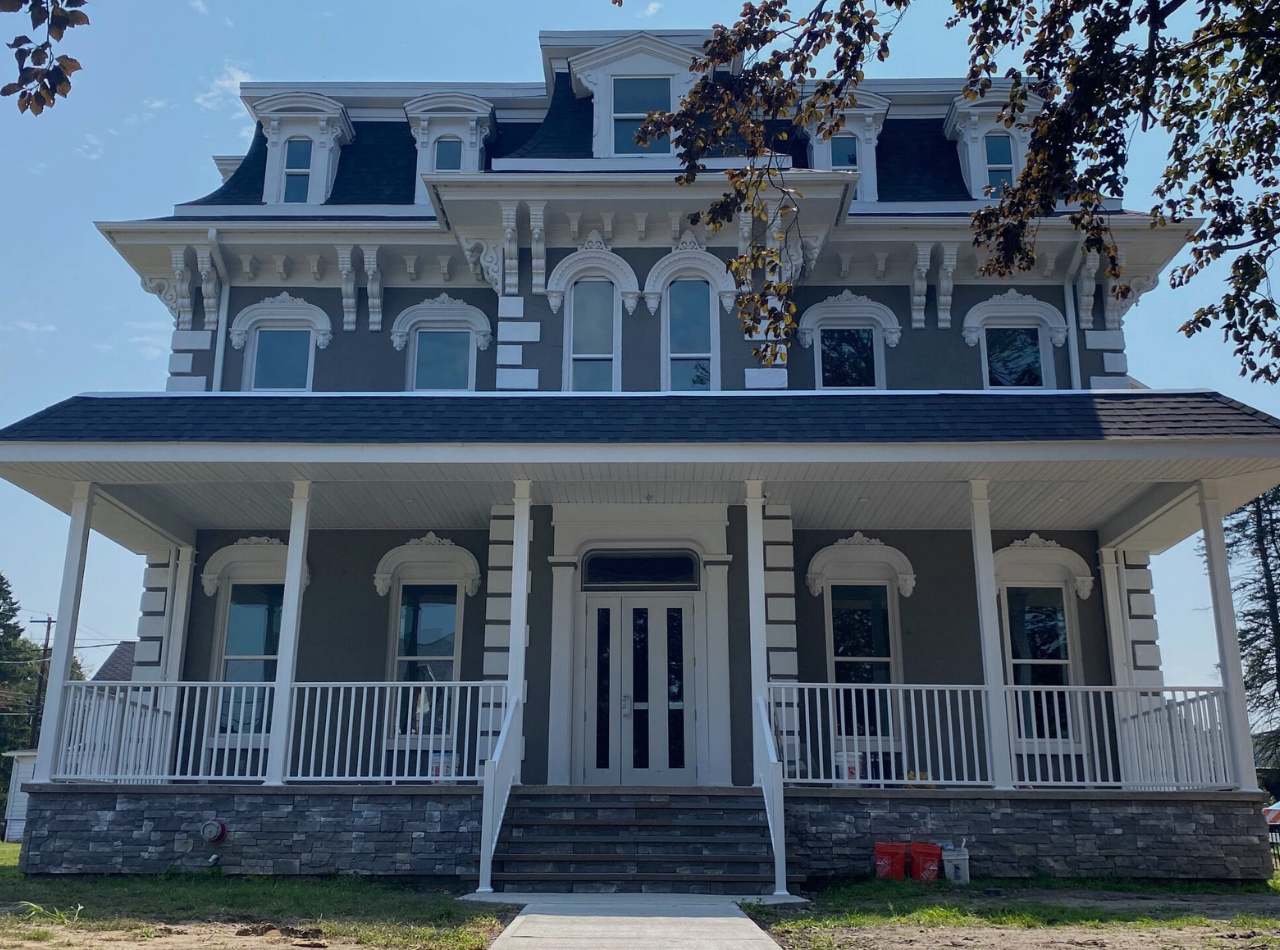
Supervised, gender-specific recovery housing brings structure and community to the time outside clinical treatment. Shared routines help people put recovery skills into practice.
Care with purpose.
Skills for life.
- A substance-free living environment
- Peer accountability and shared responsibilities
- Daily routines, meetings, and curfews
- Case management and recovery planning
- Coordination with PHP and IOP
- Support for work, education, and personal goals
A little more clarity.
How does housing connect with treatment?
Recovery housing reinforces clinical work through daily structure and peer relationships outside program hours.
What is expected of residents?
Residents follow house rules, take part in recovery activities, and contribute to the household. The team explains expectations during admission.
How is readiness assessed?
The team considers the person’s recovery goals and need for continued structure before recommending a housing plan.
Explore the other programs.
Partial Hospitalization
Full-day treatment for people who need intensive support without round-the-clock medical supervision.
Intensive Outpatient
Structured outpatient treatment with space to return to work, education, and family responsibilities.
Outpatient
Ongoing counseling for people managing recovery with greater independence.
You don’t have to figure
it all out today.
Tell us where you are. We’ll help you understand the next step.